How to Store Adhesive Tape Properly: Shelf Life and Storage Tips
Release time: 2026-08-25

Adhesive tape may look like a simple product, but proper storage can make a big difference in how well it performs. Whether you are a distributor, wholesaler, manufacturer, or packaging buyer, storing tape incorrectly can lead to poor adhesion, edge lifting, adhesive residue, or even unusable rolls.
The good news is that most storage problems are easy to avoid. With the right temperature, humidity, packaging, and handling practices, you can help maintain tape quality throughout its recommended shelf life.
In this guide, we’ll look at how to store adhesive tape properly, how long tape usually lasts, and what B2B buyers should pay attention to when managing tape inventory.
Why Does Adhesive Tape Need Proper Storage?
Pressure-sensitive adhesive tape is affected by its surrounding environment. Temperature, humidity, sunlight, dust, and physical handling can all influence the adhesive, backing material, liner, and overall performance.
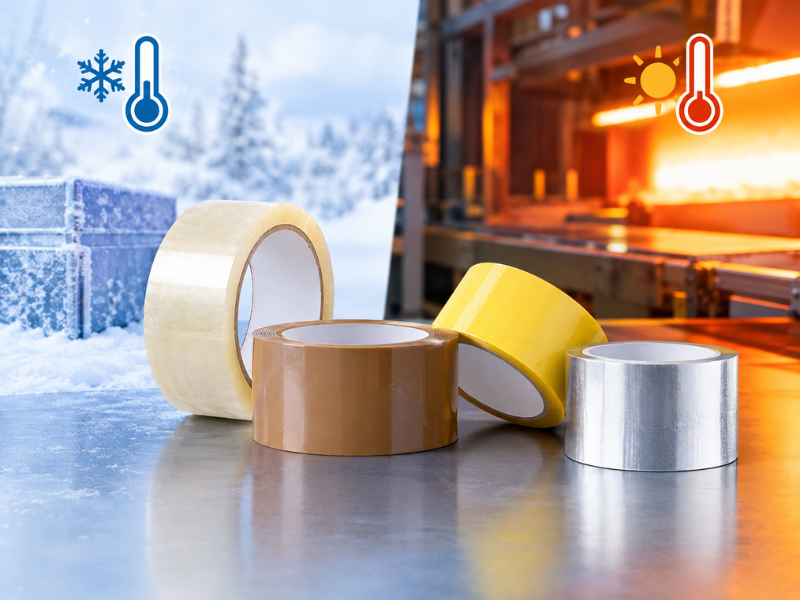
For example, excessive heat can cause adhesive to soften or flow, while very cold conditions may reduce initial tack. High humidity can also affect paper liners and packaging materials.
According to 3M’s storage and shelf-life guidance, recommended storage conditions for some adhesive tape products are around 15–26°C (60–80°F) with 40–60% relative humidity. However, storage requirements can vary depending on the tape construction and adhesive system, so always check the manufacturer’s specifications for the specific product.
1. Keep Tape in a Cool, Dry Environment
The first rule is simple: avoid extreme temperatures.
For general adhesive tape inventory, a stable indoor environment is usually preferable to a warehouse that becomes very hot or cold. Avoid placing tape near heaters, boilers, production equipment, or other heat sources.
Humidity is also important. Excessive moisture may affect cardboard packaging and paper liners, particularly on double-sided tapes. In some cases, moisture can cause liners to expand, buckle, or become more difficult to remove.
A clean, dry warehouse with relatively stable temperature and humidity is a good starting point.
2. Keep Tape Away From Direct Sunlight
Direct sunlight is another common storage mistake.
UV exposure and heat can gradually affect certain adhesive systems and backing materials. Even if the tape is stored indoors, placing cartons directly beside windows or in areas exposed to strong sunlight is not ideal.
Whenever possible, keep adhesive tape in its original packaging until it is ready for use. This provides additional protection against light, dust, moisture, and accidental damage.
3. Don’t Remove the Original Packaging Too Early
For distributors and wholesalers, this is especially important.
If you receive several cartons of packing tape or industrial tape, there is no need to open every carton immediately. Keep unused rolls inside their original boxes and protective wrapping.
Original packaging helps protect the rolls from environmental exposure and physical damage. It also makes inventory management easier because product information, batch numbers, and specifications can remain together.
For example, Hylinn Tape offers a range of BOPP packing tapes for shipping, carton sealing, and general packaging applications.
4. Store Rolls Carefully to Prevent Edge Damage
Adhesive tape is surprisingly easy to damage during warehouse handling.
Dropping cartons, hitting roll edges, or placing heavy objects on top of tape can deform the rolls. Damaged edges may then affect unwinding, application, and overall appearance.
For larger inventories, avoid simply throwing tape cartons onto pallets. Handle them carefully during loading and unloading, and follow the manufacturer’s recommended storage orientation.
Some technical guidance recommends keeping unused rolls in their original cartons with protective wrapping and end plugs in place.
5. Use FIFO for Tape Inventory
If you manage a large B2B inventory, FIFO (First In, First Out) is one of the easiest ways to reduce shelf-life problems.
When new tape arrives, don’t automatically put it in front of older stock. Instead, mark receiving dates clearly and use older batches first.
A simple warehouse system can include:
1. Manufacturing date
2. Receiving date
3. Batch or lot number
4. Product type
5. Quantity
6. Recommended use-by date
This becomes particularly useful for distributors handling multiple adhesive tape products.
6. How Long Does Adhesive Tape Last?
There is no single shelf-life number that applies to every adhesive tape.
The usable storage life depends on factors such as:
1. Adhesive chemistry
2. Backing material
3. Liner material
4. Temperature
5. Humidity
6. Packaging
7. Storage time
8. Product formulation
For example, some 3M tape products specify a 24-month shelf life when stored under recommended conditions, while other products have different requirements.
So, rather than assuming that every roll of tape lasts two years, buyers should check the manufacturer’s technical data sheet or product specification.
It’s also important to understand that shelf life is not the same as service life. Shelf life refers to how long a product is expected to remain usable when properly stored. Once properly applied, the actual durability of the tape can depend on the application, surface, temperature, moisture, UV exposure, and other factors.
7. What If Tape Has Been Stored for Too Long?
Don’t immediately throw away older inventory.
First, inspect the rolls carefully. Look for:
1. Discoloration
2. Adhesive leakage or edge ooze
3. Deformed rolls
4. Damaged edges
5. Liner problems
6. Unusual odor
7. Changes in tack or adhesion
For important industrial applications, it’s better to perform a small application test before using older stock in full-scale production.
If the tape no longer meets your application requirements, replacing it is usually less expensive than dealing with packaging failures or production problems later.
Storage Tips for B2B Tape Buyers
For distributors, wholesalers, and industrial users, proper storage is more than just protecting individual rolls. It helps reduce inventory waste and maintain consistent product quality.
A good storage routine is simple:
Store indoors → Keep temperature and humidity stable → Avoid sunlight → Keep original packaging → Handle rolls carefully → Use FIFO → Check shelf life regularly.
If you’re looking for different adhesive tape solutions for packaging, mounting, masking, automotive, or industrial applications, you can explore the Hylinn Tape product range.
Hylinn Tape supplies adhesive tape solutions for distributors, wholesalers, and OEM customers, with options including packing tape, double-sided tape, masking tape, automotive tape, and other specialty products.
Final Thoughts
Proper storage doesn’t require complicated equipment. In most cases, the biggest improvements come from controlling the basics: temperature, humidity, sunlight, packaging, and handling.
For B2B buyers with hundreds or thousands of rolls in stock, these small steps can help reduce waste, maintain adhesive performance, and avoid unnecessary quality complaints.
Most importantly, always follow the specific storage and shelf-life recommendations provided by your tape manufacturer. Different adhesives and backing materials can behave very differently under the same storage conditions.
Store your tape properly today, and you’ll have a much better chance of getting the performance you paid for when it’s time to use it.