


How to Choose Masking Tape for Woodworking and Furniture Painting
Release time: 2026-10-22
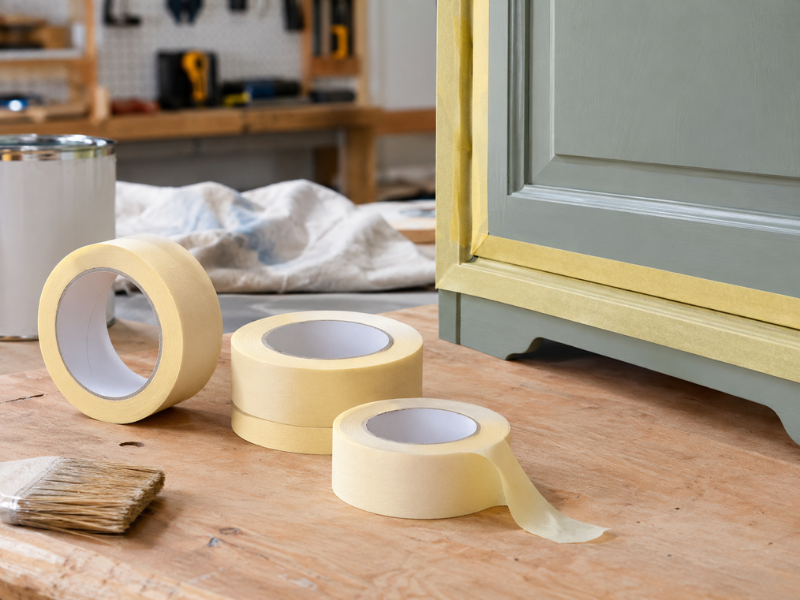
Masking Tape for Woodworking
When painting wooden furniture, cabinets, or decorative wood products, getting a clean finish is not always easy. Paint can bleed under the tape, adhesive may leave marks, and removing the tape can sometimes damage the finished surface.
Choosing the right masking tape for woodworking can help avoid these problems. Whether you run a furniture factory or work on smaller woodworking projects, here are a few things to consider before buying masking tape.
1. Choose the Right Adhesion for the Wood Surface
Not all wood surfaces need the same adhesive strength.
For smooth, painted, or varnished furniture, low- to medium-adhesion masking tape is often a good starting point. It helps protect the existing finish and reduces the risk of leaving adhesive residue.
For raw wood, textured surfaces, or dusty workshop environments, you may need a tape with stronger adhesion. However, stronger is not always better. A tape that sticks too firmly can pull up paint, stain, or a delicate coating during removal.
Tip: Always test the tape on a small, hidden area before using it on the entire furniture piece.
2. Look for Clean Removal and Low Residue
In furniture painting, the job is not finished when the paint is applied. The tape also needs to come off cleanly.
Good masking tape should be easy to remove without leaving sticky residue or damaging the coating underneath. This is particularly important for cabinets, wooden doors, table edges, and furniture with multiple painted colors.
Keep in mind that clean removal depends on several factors, including the adhesive type, surface condition, temperature, and how long the tape stays in place.
For this reason, choose a tape designed for your application rather than relying on general-purpose masking tape for every job.
3. Consider Paint Type and Working Conditions
Water-based paints, solvent-based coatings, primers, and wood stains can behave differently during application and drying.
If you are using a spray gun, the tape should stay firmly in place and help prevent paint from getting underneath the edges. For detailed furniture painting, a thinner tape with good edge contact may be useful for creating clean paint lines.
Temperature and humidity also matter. If your workshop uses heated drying equipment or high-temperature curing processes, check the tape’s temperature resistance before use.
Never assume that a standard paper masking tape can withstand every painting or drying condition.
4. Pay Attention to Tape Width and Paper Quality
Tape width affects both convenience and material consumption.
Narrow masking tape works well for decorative details, corners, and narrow trim. Wider rolls are more practical for covering larger areas or protecting adjacent surfaces.
The backing material matters, too. A flexible paper backing is generally easy to tear by hand and apply around curves, making it convenient for everyday furniture painting and woodworking tasks.
For production lines, consistent quality and easy handling can also help workers complete masking jobs more efficiently.
5. Test Before Buying in Bulk
For furniture manufacturers, choosing masking tape is not just about the price per roll. Adhesive residue, paint leakage, and rework can increase the actual cost of every order.
Before purchasing in bulk, test a sample under your real working conditions. Check adhesion, edge sealing, paint compatibility, removal performance, and residue after use.
You can also learn from other woodworkers’ practical experiences in this woodworking community discussion about masking and adhesive problems.
Final Thoughts
The best masking tape for woodworking and furniture painting should match the surface, coating, application method, and working environment. Good adhesion, clean removal, and reliable paint masking are usually more important than choosing the cheapest roll.
If you are sourcing masking tape for furniture production, painting workshops, or distribution, explore the masking tape and adhesive tape solutions from Hylinn Tape. Testing the right product before large-scale purchasing can help improve finishing quality and reduce unnecessary rework.

