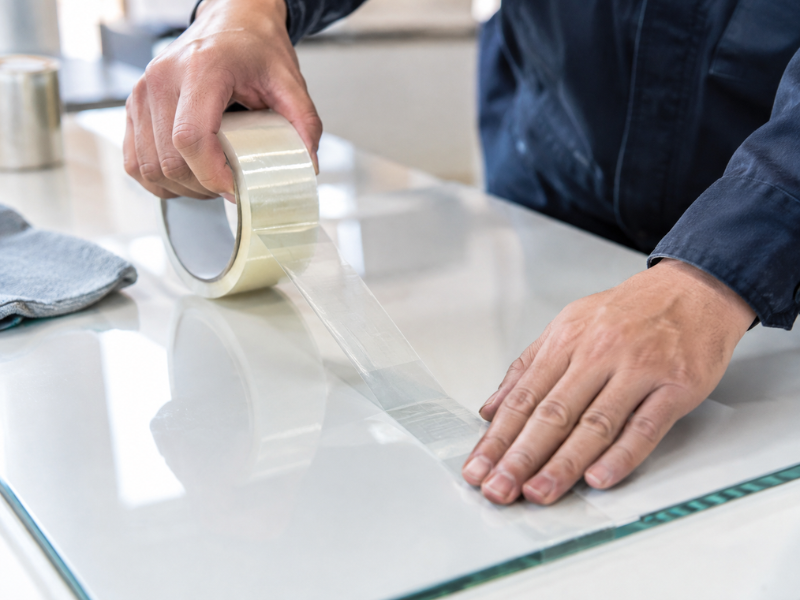
Why Does Double Sided Tape Fall Off? Common Causes and Solutions
Release time: 2026-10-20
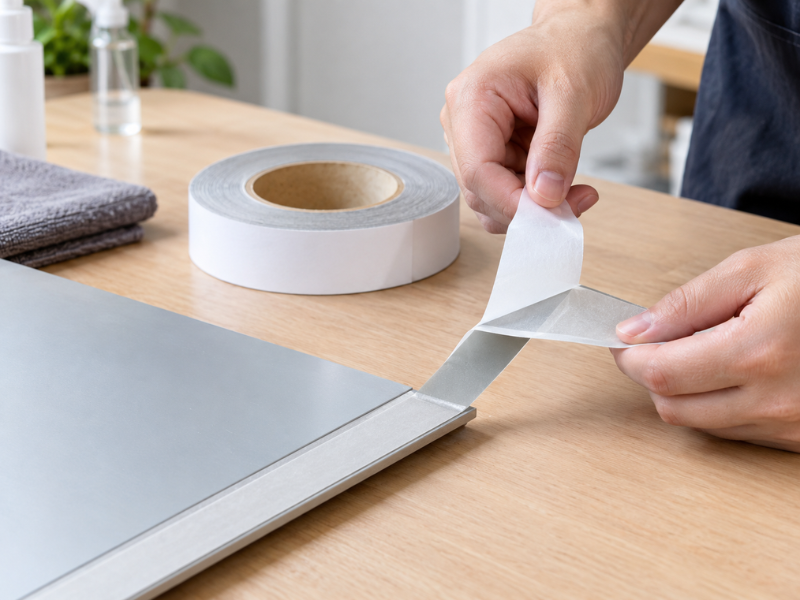
Double sided tape is a convenient way to attach two surfaces without screws, nails, or messy glue. It is widely used in home decoration, automotive trim, packaging, signage, and industrial assembly. But there is one problem many users have experienced: the tape sticks at first, then starts peeling off or suddenly falls off after a few hours or days.
So, why does double sided tape fall off? In most cases, the problem comes down to surface preparation, the wrong tape type, insufficient pressure, or unsuitable working conditions. The good news is that most of these problems can be avoided with a few simple changes.
1. The Surface Is Dirty or Greasy
One of the most common reasons double sided tape fails is poor surface preparation. Dust, oil, fingerprints, moisture, and cleaning product residue can prevent the adhesive from making proper contact with the material.
A surface may look perfectly clean but still have a thin layer of contamination. This is especially common on automotive parts, metal panels, plastic components, and frequently handled objects.
How to fix it:
-
Remove dust and loose dirt before applying the tape.
-
Clean compatible, non-porous surfaces with a suitable cleaning agent, such as isopropyl alcohol (IPA).
-
Allow the surface to dry completely before application.
-
Avoid touching the cleaned bonding area with your fingers.
Always check the material’s compatibility with the cleaning agent first, especially for painted surfaces and sensitive plastics.
2. You Are Using the Wrong Type of Double Sided Tape
Not all double sided tapes are designed for the same job. Some work well on smooth surfaces, while others are better suited to uneven materials, heavier components, or demanding industrial applications.
For example, thin tissue or film double sided tape may work well for paper products, labels, and lightweight materials. However, it may struggle to maintain a reliable bond on textured surfaces or parts that experience vibration.
Foam double sided tape can provide better surface contact and help absorb small gaps or differences between two materials. For automotive trim, display panels, and certain mounting applications, this can make a real difference.
How to fix it:
Choose your tape based on the actual application rather than price alone. Consider the surface material, bonding area, object weight, indoor or outdoor use, and expected service temperature.
If you are comparing different adhesive solutions, explore the Hylin Tape website to learn more about available tape products and applications.
3. Not Enough Pressure Was Applied
Double sided tape is usually pressure-sensitive. This means the adhesive needs firm contact with the surface to develop a reliable bond.
Simply placing the tape on a surface and lightly touching it may not be enough. Small air pockets or incomplete contact can leave weak areas, particularly around the edges.
How to fix it:
After positioning the tape, press firmly and evenly along the entire bonding area. A rubber roller can help distribute pressure more consistently, especially in production environments.
For narrow strips or small components, pay particular attention to the edges and corners, where peeling often begins.
Avoid stretching the tape during application. Follow the manufacturer’s instructions for pressure and application technique to achieve more consistent results.
4. The Temperature Is Too High or Too Low
Temperature can affect both initial tack and long-term adhesion.
When tape is applied in cold conditions, the adhesive may become less flexible and struggle to make full contact with the surface. On the other hand, excessive heat can soften certain adhesives, causing them to creep or lose holding strength under a sustained load.
Outdoor applications can be particularly challenging because surfaces may experience significant temperature changes throughout the day.
How to fix it:
Apply the tape within the temperature range recommended by the manufacturer. Whenever possible, bring the tape and the materials to a suitable working temperature before application.
For applications exposed to sunlight, hot machinery, or changing weather, select a tape with the appropriate temperature and environmental resistance. Do not assume that a tape suitable for indoor use will perform equally well outdoors.
5. You Did Not Give the Adhesive Enough Time
Another common mistake is putting weight or stress on the tape immediately after application.
Some tapes offer strong initial tack, but that does not necessarily mean they have reached their maximum bonding strength. Depending on the adhesive chemistry and application conditions, the bond may continue to develop over time.
If an object is loaded too early, the tape may begin to peel before the adhesive has established sufficient contact.
How to fix it:
Allow the adhesive to build strength before applying the full load. For many pressure-sensitive adhesive tapes, bonding strength develops over several hours and may continue increasing for 24–72 hours.
The actual time depends on the tape construction, substrate, temperature, and manufacturer’s recommendations. For heavy or critical applications, test the bonding process before putting the product into service.
6. The Surface Material Is Difficult to Bond
Some materials are naturally harder to bond than others. Polyethylene (PE) and polypropylene (PP), for example, have relatively low surface energy, which can make it difficult for standard adhesives to spread and establish a strong bond.
Painted surfaces can also cause problems. If the paint is peeling, powdery, or poorly attached to the underlying material, the tape may pull the paint away instead of remaining securely bonded.
How to fix it:
Identify the exact substrate before choosing a tape. For difficult plastics, consider an adhesive specifically formulated for low-surface-energy materials. A suitable primer or professional surface treatment may also help in some applications.
For painted surfaces, check that the coating is fully cured and firmly attached. Always test a small area before moving to full production or installation.
For additional technical guidance, see this industry discussion on preparing surfaces before bonding, which covers surface cleanliness, temperature, pressure, and bonding time.
How to Prevent Double Sided Tape from Falling Off
If you want more reliable adhesion, use this simple checklist before applying tape:
-
Check the surface: Make sure it is clean, dry, and suitable for adhesive bonding.
-
Select the right tape: Match the adhesive and backing material to the substrate and application.
-
Apply consistent pressure: Make sure the tape contacts the full bonding area.
-
Control the temperature: Follow the recommended application conditions.
-
Allow sufficient bonding time: Avoid loading the joint too early.
-
Test before large-scale use: Check adhesion under realistic working conditions, especially for industrial applications.
For manufacturers, wholesalers, and distributors, choosing the correct tape from the beginning can also help reduce product complaints, rework, and unnecessary material costs.
Final Thoughts
Double sided tape usually falls off for a reason. Dirty surfaces, unsuitable adhesives, poor application techniques, temperature changes, and insufficient bonding time can all affect performance.
Before replacing a tape with a stronger or more expensive option, identify the actual cause of failure. A simple improvement in surface preparation or tape selection may be enough to solve the problem.
If you are sourcing double sided tape for automotive, household, or industrial applications, choosing a product that matches your bonding requirements is the best place to start. Visit Hylin Tape to explore tape solutions for different applications and discuss your product requirements with a supplier.
Frequently Asked Questions
Why does double sided tape stick at first but fall off later?
This often happens when the surface is contaminated, the adhesive has not developed enough bond strength, or the tape is exposed to excessive heat or stress.
How can I make double sided tape stick better?
Clean and dry the surface, choose a compatible tape, apply firm and even pressure, and allow enough time for the bond to develop.
Does double sided tape work on plastic?
Yes, but performance depends on the plastic type. Materials such as PE and PP can be difficult to bond, so a specially formulated adhesive may be necessary.
Can double sided tape hold heavy objects?
Some industrial tapes can support substantial loads when correctly selected and applied. However, suitability depends on the object’s weight, bonding area, surface material, and loading direction. Do not rely on tape alone for safety-critical installations without appropriate testing and engineering assessment.