


Double Sided Tape for Automotive Trim: Selection and Application Tips
Release time: 2026-10-16
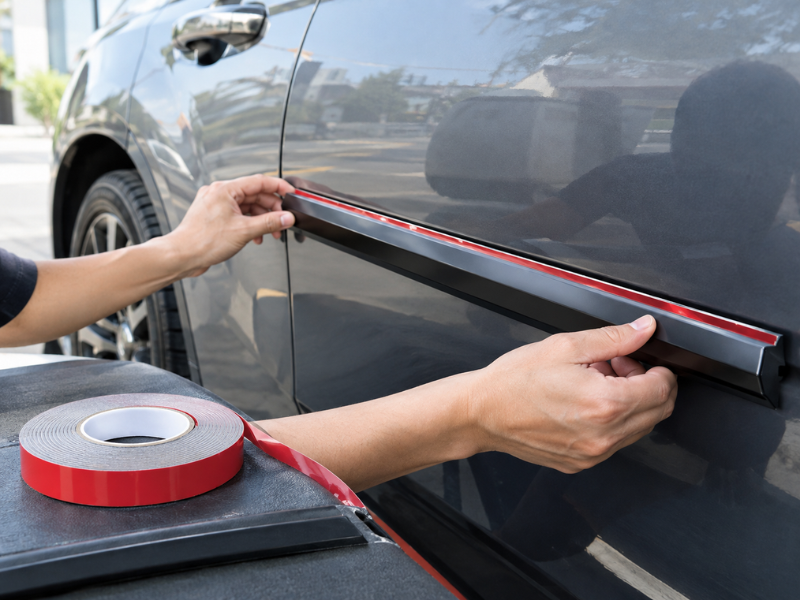
That is why double sided tape for automotive trim is widely used in automotive assembly, aftermarket accessories, and vehicle repair. However, not every double sided tape is suitable for automotive applications. Choosing the right adhesive and applying it correctly can make a big difference in bonding performance.
In this guide, we will look at how to select automotive trim tape and avoid some common application problems.
1. What Type of Double Sided Tape Is Best for Automotive Trim?
The best tape depends on the trim material, installation location, and expected service conditions.
Here are three common options to consider.
Acrylic Foam Tape
Acrylic foam tape is a popular choice for exterior automotive trim. Its foam structure helps absorb vibration and accommodate minor surface irregularities, while the adhesive provides a strong bond to suitable substrates.
It is commonly used for door moldings, side skirts, decorative strips, and exterior badges. For outdoor applications, look for a grade designed to withstand weather exposure, temperature changes, and long-term bonding stress.
PE Foam Double Sided Tape
PE foam tape offers cushioning and can help bond lightweight trim components. It may be suitable for certain interior accessories, decorative parts, and applications where a flexible foam backing is useful.
However, performance depends on the adhesive formulation, foam density, and surface characteristics. A general-purpose PE foam tape should not automatically be treated as an exterior automotive-grade product.
PET Double Sided Tape
PET double sided tape has a thin polyester carrier that provides dimensional stability. It can work well for lightweight decorative trim, interior panels, and relatively flat surfaces where a thinner bond line is preferred.
For parts exposed to high temperatures or significant vibration, check the tape’s specifications before choosing it.
2. Key Factors When Selecting Automotive Trim Tape
If you are sourcing automotive trim tape for manufacturing, distribution, or aftermarket applications, consider these factors before placing an order.
Adhesion to different materials
Automotive trim can be made from ABS, PP, PVC, painted metal, and other plastics. These materials do not all bond equally well. Polypropylene, for example, can be difficult to bond because of its low surface energy.
Choose a tape tested for the actual materials involved. Some applications may require a compatible adhesion promoter, but it should be used only according to the manufacturer’s instructions.
Temperature resistance
Vehicles experience considerable temperature changes, especially when parked outdoors in direct sunlight. The tape must maintain its bonding performance under the expected service temperatures.
Check both the short-term temperature resistance and the recommended continuous operating temperature rather than relying on a single maximum-temperature figure.
Tape thickness and flexibility
Thicker foam tape can accommodate minor gaps and uneven surfaces, while thinner tape may provide a neater finish on closely fitting parts.
The right thickness depends on the trim design, contact area, and pressure applied during installation. Using a thicker tape does not automatically produce a stronger bond.
Weather and vibration resistance
Exterior trim must withstand rain, humidity, road vibration, and repeated heating and cooling. For these applications, select automotive-grade tape with performance data relevant to the intended environment.
You can explore different adhesive tape solutions in the Hylinn Tape product range.
3. How to Apply Double Sided Tape to Automotive Trim
Even a high-performance tape can fail if the surface is poorly prepared. Follow these practical steps for more consistent results.
Step 1: Clean Both Surfaces
Remove dust, grease, wax, and old adhesive residue from the trim and the mounting surface. Use a cleaning method compatible with the plastic, paint, or metal involved.
Isopropyl alcohol may be suitable for some surfaces, but always check material compatibility first. Avoid aggressive solvents that could damage paint or plastic.
Allow both surfaces to dry completely before applying the tape.
Step 2: Check the Fit Before Bonding
Position the trim without removing the tape liner to confirm its alignment. This is particularly important for long moldings and curved components.
Mark the correct position if necessary. Once high-bond tape contacts the surface, repositioning may be difficult.
Step 3: Apply the Tape Evenly
Apply the tape to the trim in a continuous, even line where the design allows. Avoid stretching the tape, leaving large gaps, or creating wrinkles.
For plastic parts that are difficult to bond, consider an approved adhesion promoter if the tape manufacturer recommends one.
Step 4: Apply Firm, Even Pressure
After removing the release liner, align the trim carefully and press it firmly against the mounting surface. Good contact helps the adhesive wet out the surface and develop a stronger bond.
Follow the tape manufacturer’s instructions for application pressure, temperature, and any recommended holding time.
Step 5: Allow Time for Bond Development
Do not assume the tape has reached its full bonding strength immediately after installation. Many pressure-sensitive adhesives develop adhesion over time.
Whenever possible, keep the vehicle or component within the recommended temperature range and avoid washing the vehicle or exposing the bond to unnecessary stress during the initial bonding period.
4. Common Mistakes That Cause Automotive Trim Tape to Fail
A few small mistakes can lead to peeling edges, loose moldings, or repeated repairs.
-
Skipping surface preparation: Oil, wax, and old adhesive can prevent proper contact.
-
Applying tape in cold conditions: Low temperatures can reduce initial tack and slow bond development.
-
Choosing tape only by price: Low-cost general-purpose tape may not withstand exterior automotive conditions.
-
Ignoring surface compatibility: Some plastics require special adhesive formulations or additional preparation.
-
Using too little contact area: Narrow or poorly positioned tape can concentrate stress at the edges.
For more real-world discussion about automotive trim tape and surface preparation, see this automotive tape discussion on the Lowyat Forum.
5. What Should Buyers Check When Sourcing Automotive Trim Tape?
For distributors, wholesalers, and automotive component manufacturers, product consistency matters just as much as initial adhesion.
Before choosing a supplier, ask for technical data covering adhesive type, suitable substrates, thickness options, temperature performance, and recommended application conditions. Samples should be tested on the actual trim materials and under realistic environmental conditions before bulk production.
It is also worth checking whether the supplier can provide custom widths, roll lengths, slitting options, and packaging to suit your production line or distribution needs.
A reliable supplier should help you match the tape to the application instead of recommending one product for every situation.
Conclusion
Choosing the right double sided tape for automotive trim involves more than finding an adhesive that sticks firmly at first. Material compatibility, temperature resistance, tape thickness, surface preparation, and bonding time all affect long-term performance.
For exterior moldings and decorative components, an appropriate automotive-grade foam tape can offer a practical bonding solution when correctly specified and applied. For buyers and distributors, testing samples and confirming technical requirements before bulk orders can help reduce product failures and customer complaints.
Looking for adhesive tape options for your business? Visit Hylinn Tape to explore our product range and discuss your application requirements.

