


Washi Masking Tape for Walls, Wood and Trim: How to Choose the Right Type
Release time: 2026-10-14
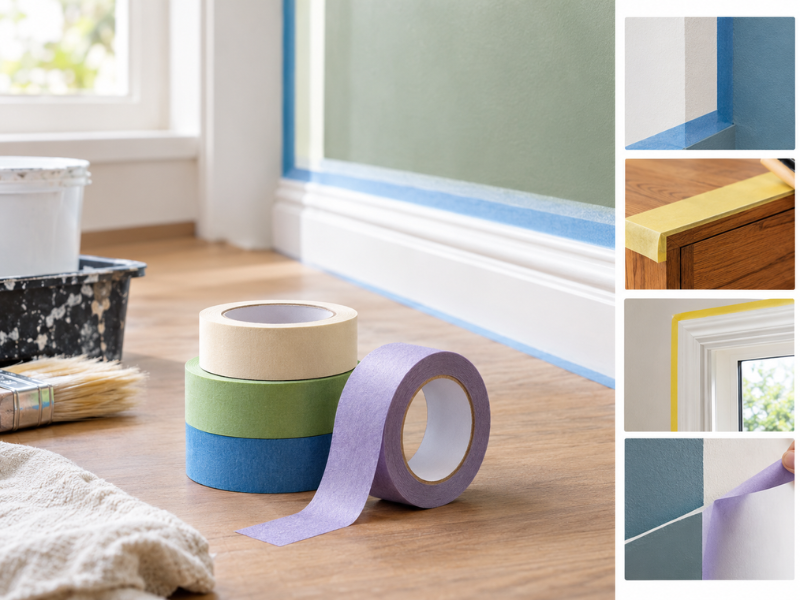
When it comes to painting walls, wooden furniture, doors, or window trim, the right masking tape can make a big difference. It helps create clean paint lines, protects surfaces from unwanted splashes, and saves time on touch-ups. But not every masking tape works equally well on every surface.
Washi masking tape has become a popular choice for both home decoration and professional painting because of its thin backing, easy handling, and clean removal. Still, choosing the right type depends on where you plan to use it.
In this guide, we’ll look at how to choose washi masking tape for walls, wood, and trim, along with a few practical tips for better painting results.
1. What Makes Washi Masking Tape Different?
Washi masking tape is generally made with a thin paper backing and a pressure-sensitive adhesive. Compared with some conventional masking tapes, it can offer better conformability, easier tearing by hand, and more precise masking around edges.
One of its biggest advantages is that certain washi masking tapes are designed to remove cleanly without leaving much adhesive residue. This makes them useful for decorative painting, interior renovation, furniture projects, and detailed finishing work.
However, not all washi tapes have the same adhesive strength or performance. Some are designed for delicate surfaces, while others are better suited to general painting tasks. It’s important to check the product specifications rather than choosing by appearance alone.
2. Choosing Washi Masking Tape for Walls
Walls may look simple to mask, but different finishes can behave very differently. Smooth, fully cured painted walls are usually easier to work with than textured, dusty, or freshly painted surfaces.
For most interior wall painting projects, look for washi masking tape with these features:
-
Low to medium adhesion: Helps reduce the risk of damaging existing paint during removal.
-
Thin, flexible backing: Makes it easier to follow corners and create straight lines.
-
Clean removal: Helps minimize sticky residue after painting.
-
Suitable edge sealing: Helps reduce paint bleeding when the tape is applied correctly.
If you’re working with delicate wallpaper or recently painted walls, a low-tack option may be more suitable. Always check whether the existing paint has fully cured, as dry-to-touch paint is not necessarily ready for masking.
Before starting a large project, apply a short piece of tape to an inconspicuous area. Leave it for the intended application period, then remove it slowly to check for paint lifting or residue.
3. The Best Washi Masking Tape for Wood
Wooden surfaces can include unfinished timber, painted furniture, varnished cabinets, and stained decorative panels. Each surface has different requirements.
For painted or finished wood, choose a tape that provides enough adhesion to stay in place but can still be removed without damaging the finish. Low-tack or surface-sensitive washi masking tape is often worth considering, especially for delicate coatings.
For unfinished wood, the main challenge is surface texture. Dust, wood fibers, and uneven grain can prevent the adhesive from making consistent contact. A thin tape may follow the surface well, but it cannot guarantee a perfectly sealed edge on rough timber.
Before applying the tape:
-
Remove dust, oil, and loose particles.
-
Make sure the surface is dry.
-
Press the tape down gently along the masking edge.
-
Test the tape on a small area before proceeding.
If the wood has a fragile coating or an unknown finish, avoid assuming that stronger adhesion will produce better results. The goal is to protect the surface while keeping the tape securely in place.
4. Selecting Tape for Trim, Skirting Boards and Window Frames
Trim work often requires sharp paint lines around narrow edges, corners, and joints. Skirting boards, door frames, and window trim may also have different finishes from the surrounding wall.
For these applications, look for washi masking tape with a thin backing, good edge contact, and adhesive strength suited to the surface. A tape that is too aggressive may lift existing paint or damage a delicate finish, while one with insufficient adhesion may allow paint to seep underneath.
Tape width matters, too. Narrow rolls are useful for detailed edges and small trim pieces, while wider rolls can protect larger areas.
For professional painting and renovation work, consistent unwinding, easy tearing, and predictable removal are also important. These features can help reduce wasted tape and improve work efficiency across repeated jobs.
5. How to Get Cleaner Paint Lines
Even a good washi masking tape cannot compensate for poor surface preparation. A few simple habits can improve the result:
Clean the surface first. Dust and grease can weaken adhesion and create gaps along the edge.
Apply the tape smoothly. Avoid stretching the backing too much, as it may lift or move later.
Press down the masking edge. Pay particular attention to corners and uneven areas where paint may seep underneath.
Avoid excessive paint buildup. Heavy coats along the tape edge can make removal more difficult.
Remove the tape carefully. Follow the product instructions for removal timing. Depending on the paint and application, removing the tape while the paint is still slightly wet or before it fully hardens may help reduce edge tearing. Pull slowly at a shallow angle, and do not force the tape if the underlying coating starts to lift.
For additional practical advice, you can read this DIYnot forum discussion about masking tape and paint removal. It highlights why tape selection and removal technique both matter when painting walls and skirting boards.
6. What Should Buyers Look for When Purchasing Washi Masking Tape?
For distributors, wholesalers, and professional painting suppliers, choosing washi masking tape involves more than comparing the price per roll.
Consider these factors before placing an order:
-
Application: Interior walls, furniture, woodwork, or detailed trim painting.
-
Adhesion level: Matched to the surface and required removal performance.
-
Backing quality: Thinness, flexibility, and resistance to tearing during use.
-
Residue performance: Especially important for delicate or finished surfaces.
-
Roll specifications: Width, length, packaging, and other requirements for your target market.
-
Supply consistency: Stable product quality and reliable production capacity.
If you sell to different customer groups, offering several grades can be more practical than relying on a single general-purpose tape. It allows customers to choose a suitable product for both everyday painting and more delicate finishing work.
You can explore the Hylinn Tape website to learn more about adhesive tape products and potential solutions for different application needs.
Conclusion
Choosing the right washi masking tape for walls, wood, and trim comes down to matching the adhesive, backing, and removal performance to the surface. Low-tack tape is often a sensible starting point for delicate finishes, while other grades may be better suited to general painting tasks.
Always test the tape before a full application, prepare the surface properly, and follow the manufacturer’s instructions for use and removal. With the right product and technique, you can achieve cleaner paint lines, protect finished surfaces, and reduce unnecessary touch-up work.

