How Long Does Waterproof Repair Tape Last?
Release time: 2026-10-12
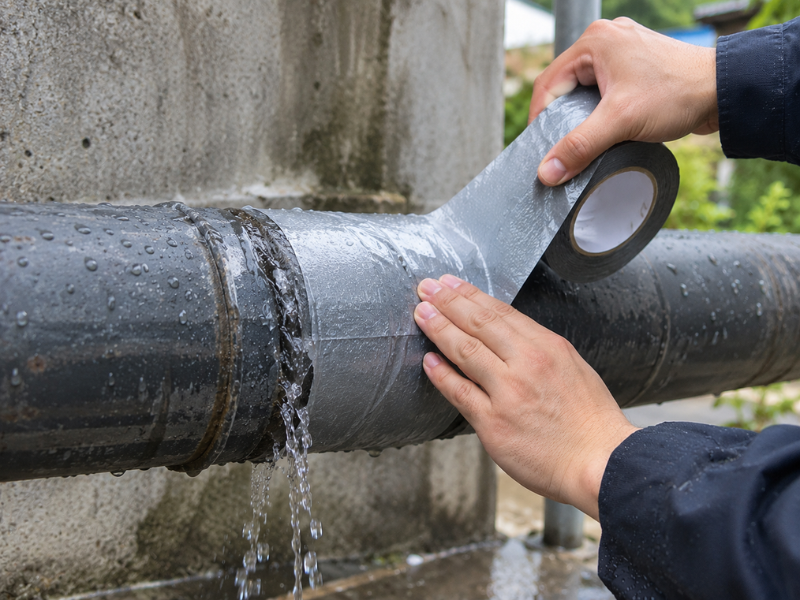
Waterproof repair tape is a handy solution for sealing leaks, patching damaged surfaces, and protecting materials from moisture. Whether you’re repairing a roof, fixing a leaking pipe joint, sealing a crack in a container, or patching outdoor equipment, it can save time and reduce the need for more expensive repairs.
But one question comes up quite often: How long does waterproof repair tape actually last?
The answer depends on the tape itself, the surface it’s applied to, and the conditions it faces. Let’s take a closer look at what affects its lifespan and how to get better performance from every roll.
1. How Long Can Waterproof Repair Tape Last?
There isn’t one fixed lifespan for all waterproof repair tapes. Some are designed for quick, temporary fixes, while others are made for longer-term sealing applications.
In general, a properly selected waterproof repair tape can last from several months to several years, depending on the application and environment. Specialized building and roofing tapes may offer longer service life when installed according to their specifications.
Here are a few common applications to consider:
1. Indoor repairs: Tape used in a relatively stable indoor environment may last longer because it faces less UV exposure and fewer temperature changes.
2. Outdoor sealing: Tape exposed to sunlight, rain, wind, and changing temperatures may wear out faster.
3. Roof and gutter repairs: Long-term performance depends on the backing material, adhesive, surface condition, and exposure to standing water.
4. Emergency leak repairs: Tape can provide a quick solution, but its lifespan may be limited if the underlying damage remains untreated.
These are general expectations, not guaranteed service-life figures. Always check the manufacturer’s technical data for the specific product and application.
2. What Factors Affect Waterproof Repair Tape Lifespan?
Material and Adhesive Quality
The backing material and adhesive are two of the biggest factors affecting durability. Different tapes use different materials and adhesive formulations to meet specific requirements.
For example, butyl-based tapes are commonly used for sealing joints and preventing water penetration, while other waterproof repair tapes may use rubber-based or acrylic-based adhesive systems.
The backing also matters. A flexible backing can help the tape conform to uneven surfaces, while a durable outer layer may provide better protection against abrasion and weather exposure.
When choosing a tape, consider whether it is designed for indoor repairs, outdoor exposure, or demanding sealing applications.
UV Exposure and Weather Conditions
Sunlight can gradually damage some tape backings and adhesives. Over time, UV exposure may cause discoloration, hardening, cracking, or reduced bonding performance.
Temperature changes can create another challenge. Materials expand in hot weather and contract in cold conditions. Repeated movement may put stress on the adhesive bond, especially around edges and joints.
If the tape will be used outdoors, look for a product with suitable UV resistance and a service temperature range that matches the actual environment.
Surface Preparation
Even a high-quality waterproof tape can fail early if the surface is not prepared correctly.
Dust, grease, loose paint, rust, and moisture can prevent the adhesive from making proper contact with the material. Once the bond is weakened, water may enter through the edges.
Before application, clean the surface and allow it to dry if the product requires a dry surface. For rough or porous materials, check whether the tape is suitable or whether additional preparation is necessary.
Water Pressure and Mechanical Stress
Waterproof does not automatically mean suitable for every leak.
Some repair tapes are intended for rainwater and moisture protection, while others may be unsuitable for pressurized pipes, moving joints, or continuously submerged applications.
Movement, friction, stretching, and direct water pressure can all shorten service life. Always match the tape to the actual repair rather than choosing based on the word “waterproof” alone.
3. How to Make Waterproof Repair Tape Last Longer
A few simple steps can make a noticeable difference in tape performance.
First, choose the right tape. Consider the surface material, application temperature, expected water exposure, and whether the repair will be indoors or outdoors.
Second, prepare the surface properly. Remove dirt, oil, and loose particles. Make sure the surface meets the product’s application requirements before sticking the tape down.
Third, apply enough pressure. Press the tape firmly across its entire surface, paying special attention to the edges. Avoid wrinkles, trapped air, and gaps that could allow water to enter.
Fourth, allow enough time for bonding. Some adhesives need time to develop their full bond strength. Follow the manufacturer’s instructions before exposing the repair to water or heavy loads.
Finally, inspect outdoor repairs regularly. If you notice lifted edges, cracks, bubbling, or water seeping through, deal with the problem before it causes further damage.
4. Signs That Waterproof Repair Tape Needs Replacing
How can you tell when the tape is no longer doing its job?
Watch for these common warning signs:
1. The edges are lifting or peeling away from the surface.
2. The backing has become brittle, cracked, or damaged.
3. The adhesive is losing its grip.
4. Water is appearing around or underneath the repaired area.
5. The tape has shifted because of movement or temperature changes.
If any of these problems appear, check whether the tape needs replacement or whether the underlying surface requires a more permanent repair.
For critical applications, such as roof waterproofing or plumbing systems, don’t rely on tape alone if the damage requires professional repair.
5. How to Choose the Right Waterproof Repair Tape
For buyers, distributors, and industrial users, the best choice isn’t necessarily the tape with the highest advertised durability. It’s the product that matches the intended application and offers consistent performance.
Before placing an order, consider the following:
1. Application: Roofing, pipe sealing, household repairs, packaging, or industrial maintenance.
2. Substrate compatibility: Metal, plastic, rubber, concrete, or other surfaces.
3. Environmental resistance: UV exposure, humidity, temperature changes, and water contact.
4. Adhesive performance: Initial tack, bonding strength, and long-term adhesion.
5. Product consistency: Quality control, specifications, and availability for repeat orders.
If you’re sourcing adhesive solutions for your business, visit Hylinn Tape to explore our tape products and learn more about available options for different applications.
You can also find practical repair discussions in this Reddit waterproof repair tape discussion, where users discuss the challenges of choosing repair tape for outdoor equipment.
Conclusion
So, how long does waterproof repair tape last? It can last anywhere from several months to several years, depending on the tape construction, application method, surface condition, and surrounding environment.
The best way to extend its lifespan is to choose a suitable product, prepare the surface carefully, apply the tape correctly, and inspect the repair periodically.
For distributors and wholesale buyers, understanding these factors also makes it easier to recommend the right tape to customers. A well-matched product can deliver more reliable results, reduce premature failures, and build confidence in your product range.