PE Tape on Smooth Surfaces: Common Mistakes to Avoid
Release time: 2026-09-21
For manufacturers, distributors, and buyers, understanding a few common application mistakes can help reduce tape failure, product damage, and unnecessary replacement costs.
1. Applying Tape to a Dirty Surface
One of the most common mistakes is applying PE tape directly to a surface without proper cleaning.
Smooth surfaces can still have dust, oil, grease, fingerprints, polishing residue, or other contaminants. These materials can create a barrier between the adhesive and the substrate, reducing actual contact.
For a broader look at how surface conditions affect adhesive tape selection, the Adhesive and Sealant Council’s guide to PSA tape selection is also worth reading.
2. Choosing Tape Only by Appearance
Another mistake is assuming that any PE tape will work on every smooth surface.
Plastic, glass, painted metal, stainless steel, and coated materials can have very different surface properties. Even when two surfaces look equally smooth, their surface energy and chemical composition may be different.
When selecting PE tape, consider the substrate, adhesive type, required holding strength, temperature, moisture, and whether the tape needs to be removed cleanly later.
If you are looking for different industrial tape solutions, you can also explore the industrial tape products from Hylin Tape.
3. Not Applying Enough Pressure
Simply placing PE tape onto a surface does not always create sufficient adhesive contact.
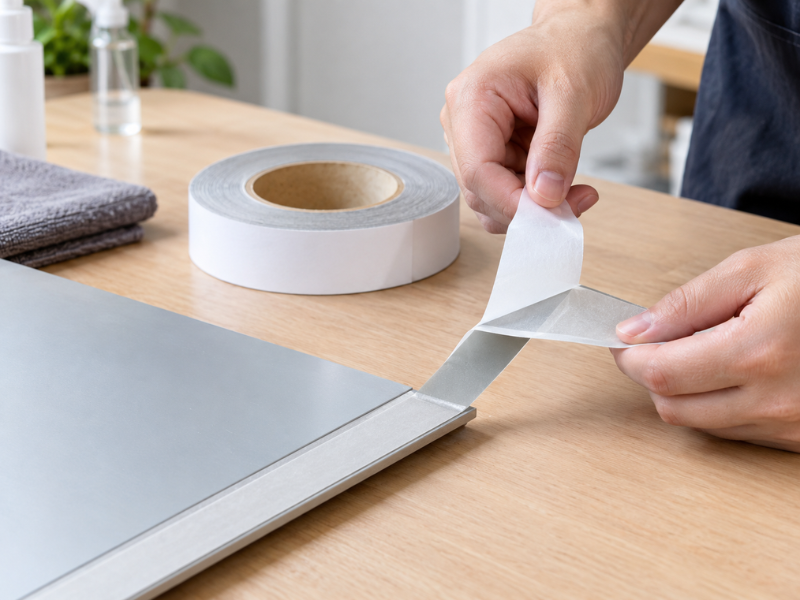
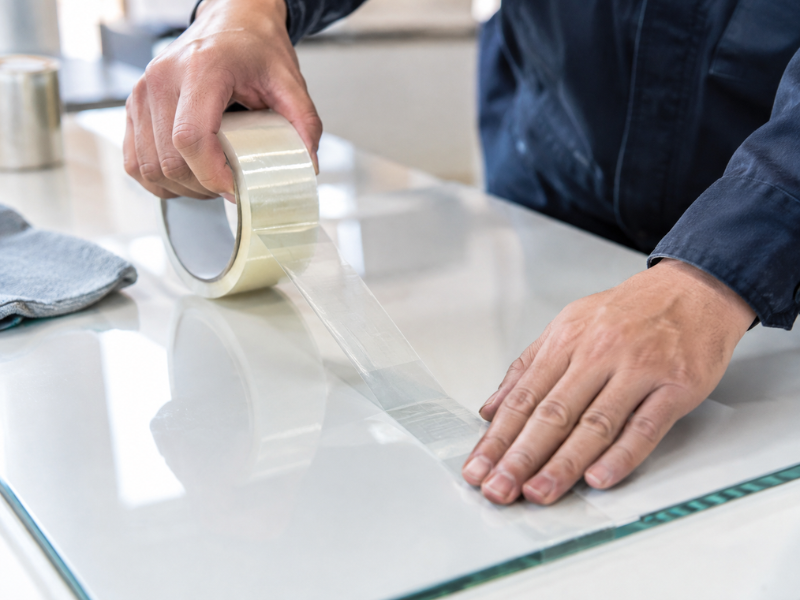
After positioning the tape, apply firm and even pressure across the entire bonding area. A roller can be useful for larger surfaces because it helps reduce air gaps and creates more consistent contact.
This is especially important when the tape is being used for surface protection or temporary bonding where consistent adhesion is required.
4. Applying Tape in Extreme Conditions
Temperature and moisture can also affect tape performance.
Applying tape to a very cold, wet, or dusty surface may reduce initial adhesion. Outdoor applications may also expose the tape to UV light, temperature changes, and humidity.
For important industrial applications, it is better to test the tape under the actual working conditions before placing a large order.
5. Removing the Tape Too Quickly
PE tape is often used for temporary protection, but that does not mean removal is completely risk-free.
Removing tape at the wrong angle, pulling too quickly, or leaving it on a surface for longer than recommended can affect the removal result. The substrate, adhesive formulation, temperature, and storage conditions all matter.
Final Thoughts
Using PE tape on smooth surfaces is relatively simple when the basic application steps are followed. Clean the surface, choose the right tape for the substrate, apply enough pressure, and consider the actual working environment.
For distributors and industrial buyers, these details can make a noticeable difference in customer satisfaction and product performance. If you need PE tape or other customized adhesive tape solutions for your market, contact Hylin Tape to discuss your requirements.